The Evolution of AI Tools: Current Trends and Future Directions
Introduction to AI Tool Evolution
The evolution of AI tools has been nothing short of revolutionary, transforming industries and redefining the way we live and work. From simple automation to complex machine learning algorithms, AI is continuously evolving to meet the ever-growing demands of modern society. In this post, we will explore the current trends shaping AI tools and discuss the future directions they may take.
AI tools have become integral to various sectors, including healthcare, finance, and education. Their ability to analyze vast amounts of data and provide insights in real-time has made them indispensable. As we delve into the current trends, it's essential to understand the foundation on which these tools are built.

Current Trends in AI Tools
Natural Language Processing (NLP)
One of the most significant trends in AI tools is the advancement of Natural Language Processing (NLP). NLP allows machines to understand and interpret human language, making interactions with technology more intuitive. From chatbots to virtual assistants, NLP is enhancing user experiences across platforms.
Moreover, NLP is being used to analyze sentiment in social media, providing businesses with valuable insights into consumer behavior. This trend is expected to grow as more companies recognize the potential of understanding customer sentiments.

AI in Automation
Automation powered by AI is transforming how businesses operate. With tools that can handle repetitive tasks, companies are freeing up human resources for more complex problem-solving and innovation. This trend is particularly prevalent in manufacturing and logistics, where AI-driven robots are optimizing operations.
The integration of AI in automation is not just limited to industries; it is also revolutionizing how we manage our homes with smart devices that learn and adapt to our habits, offering convenience and efficiency.
Future Directions for AI Tools
Ethical AI Development
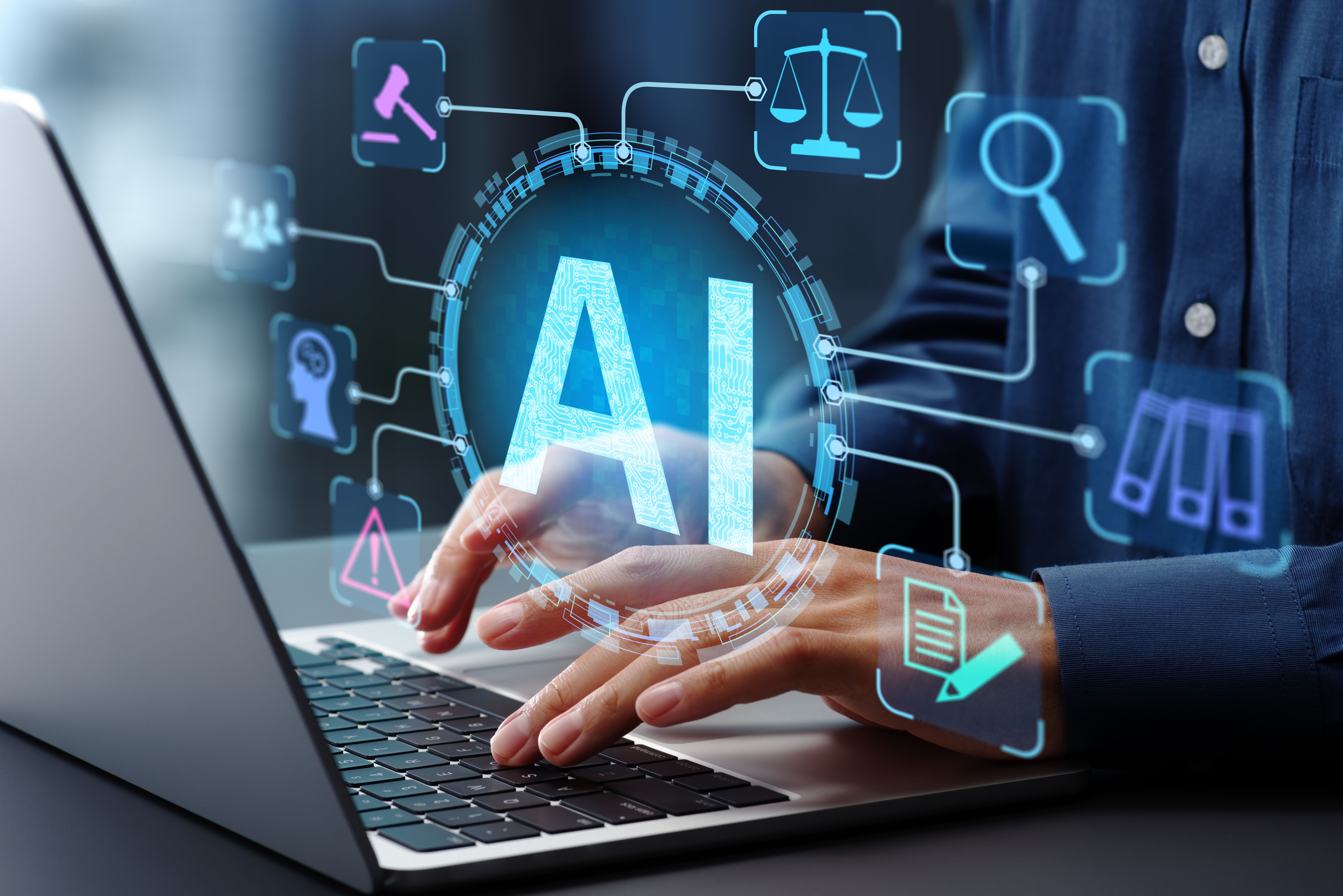
As AI tools become more sophisticated, ethical considerations are becoming increasingly critical. The future of AI development will likely focus on creating tools that are transparent, unbiased, and respectful of user privacy. Ensuring ethical AI development will require collaboration between technologists, policymakers, and ethicists.
AI in Personalized Experiences
The future of AI tools lies in personalization. As AI becomes better at understanding individual preferences and behaviors, it will offer more tailored experiences. From personalized learning in education to custom healthcare plans, AI is set to make our interactions with technology more meaningful.
This trend will likely lead to AI tools that can anticipate needs and provide solutions before users even recognize them, enhancing efficiency and satisfaction.

Conclusion
The evolution of AI tools is a testament to human ingenuity and the relentless pursuit of innovation. As we have seen, current trends such as NLP and automation are just the beginning. The future promises exciting developments in ethical AI and personalization, paving the way for a world where technology seamlessly integrates into our daily lives.
As AI continues to evolve, staying informed about these trends will be crucial for businesses and individuals alike. By embracing these changes, we can harness the full potential of AI tools to drive progress and improve quality of life.