How to Evaluate an Artificial Intelligence Application: A Step-by-Step Guide
Understanding the Basics
Evaluating an Artificial Intelligence (AI) application can seem daunting, but breaking it down into manageable steps can simplify the process. Whether you're a business owner or a tech enthusiast, understanding the fundamentals of AI applications is crucial for making informed decisions.
Before diving into evaluation, it's essential to understand the specific needs and goals that the AI application is expected to address. Knowing what you want to achieve will help you measure the application's effectiveness and relevance.
Defining Your Objectives
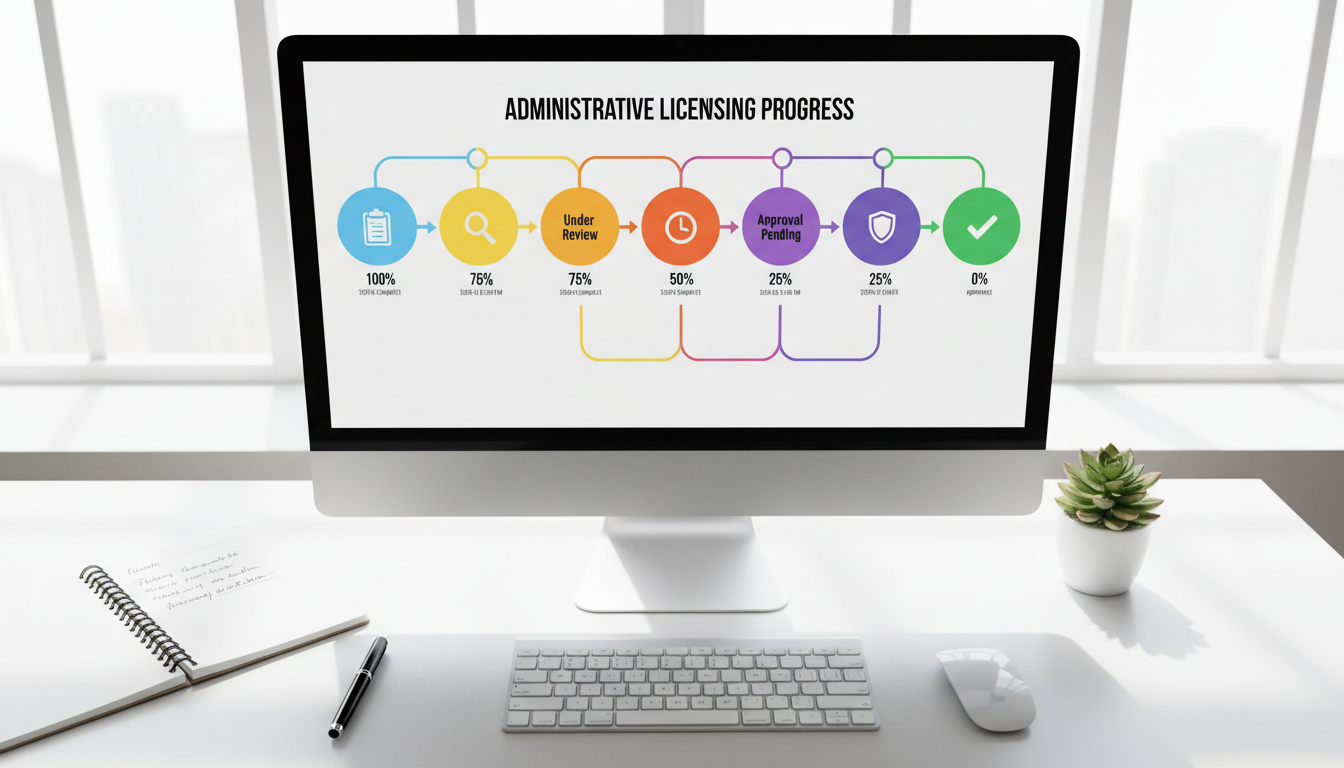
One of the first steps in evaluating an AI application is defining your objectives. Clearly outline what you want the AI to accomplish. Are you looking to streamline operations, enhance customer service, or gain insights from data? Defining your objectives will guide the evaluation process.
Once objectives are set, determine the key performance indicators (KPIs) that will measure success. These KPIs will serve as benchmarks for evaluating the application's performance.
Assessing Usability and User Experience
An AI application should be user-friendly and intuitive. Evaluate the application from a usability standpoint. Is it easy to navigate? Does it integrate well with existing systems? User experience plays a significant role in the overall effectiveness of the application.
Gather feedback from users who interact with the application regularly. Their insights can provide valuable information about the application's strengths and weaknesses.
Evaluating Performance and Reliability
Performance is a critical factor when assessing an AI application. Monitor the application's ability to deliver accurate and timely results. Reliability is equally important; the application should function consistently without frequent downtimes or errors.
Consider conducting stress tests to evaluate how the application performs under varying conditions. This can help identify potential issues before they impact real-world operations.

Analyzing Data Security and Privacy
Data security is a top priority when dealing with AI applications. Ensure that the application complies with relevant data protection regulations and standards. Check how data is stored, processed, and transmitted to safeguard sensitive information.
Review the application's privacy policies to understand how data is used and shared. Ensuring robust security measures will protect your business and build trust with users.
Reviewing Scalability and Adaptability
Consider the application's scalability. Can it handle increased workloads and adapt to changing requirements? An AI application should be flexible enough to grow with your business needs.

Scalability ensures that the application remains valuable over time, providing a good return on investment as your business evolves.
Considering Cost and ROI
Finally, evaluate the cost of the AI application against its potential return on investment (ROI). Consider both initial setup costs and ongoing expenses. Weigh these against the benefits and efficiencies the application provides.
Understanding the financial implications will help you make a well-rounded decision about whether the AI application is the right fit for your needs.
Conclusion
Evaluating an AI application requires a comprehensive approach, considering various factors from usability to cost. By following these steps, you'll be well-equipped to assess any AI application and determine its suitability for your specific goals.