Expert Insights: The Future Outlook for AI Applications in Healthcare
Artificial Intelligence (AI) is revolutionizing various industries, and healthcare is no exception. With advancements in machine learning and data processing, AI applications are poised to transform how healthcare is delivered, making it more efficient, personalized, and accessible. In this blog post, we explore expert insights into the future outlook for AI in healthcare.
AI in Diagnostics
The integration of AI in diagnostics is one of the most promising areas. AI algorithms can analyze medical imaging with remarkable accuracy, often surpassing human capabilities. For instance, AI systems are being developed to detect anomalies in X-rays, MRIs, and CT scans, offering quick and reliable diagnoses.
Experts predict that AI will soon become an indispensable tool in radiology and pathology. By augmenting the expertise of healthcare professionals, AI can reduce diagnostic errors and improve patient outcomes. Furthermore, AI's ability to learn from vast datasets means continuous improvement in diagnostic precision over time.

Personalized Medicine
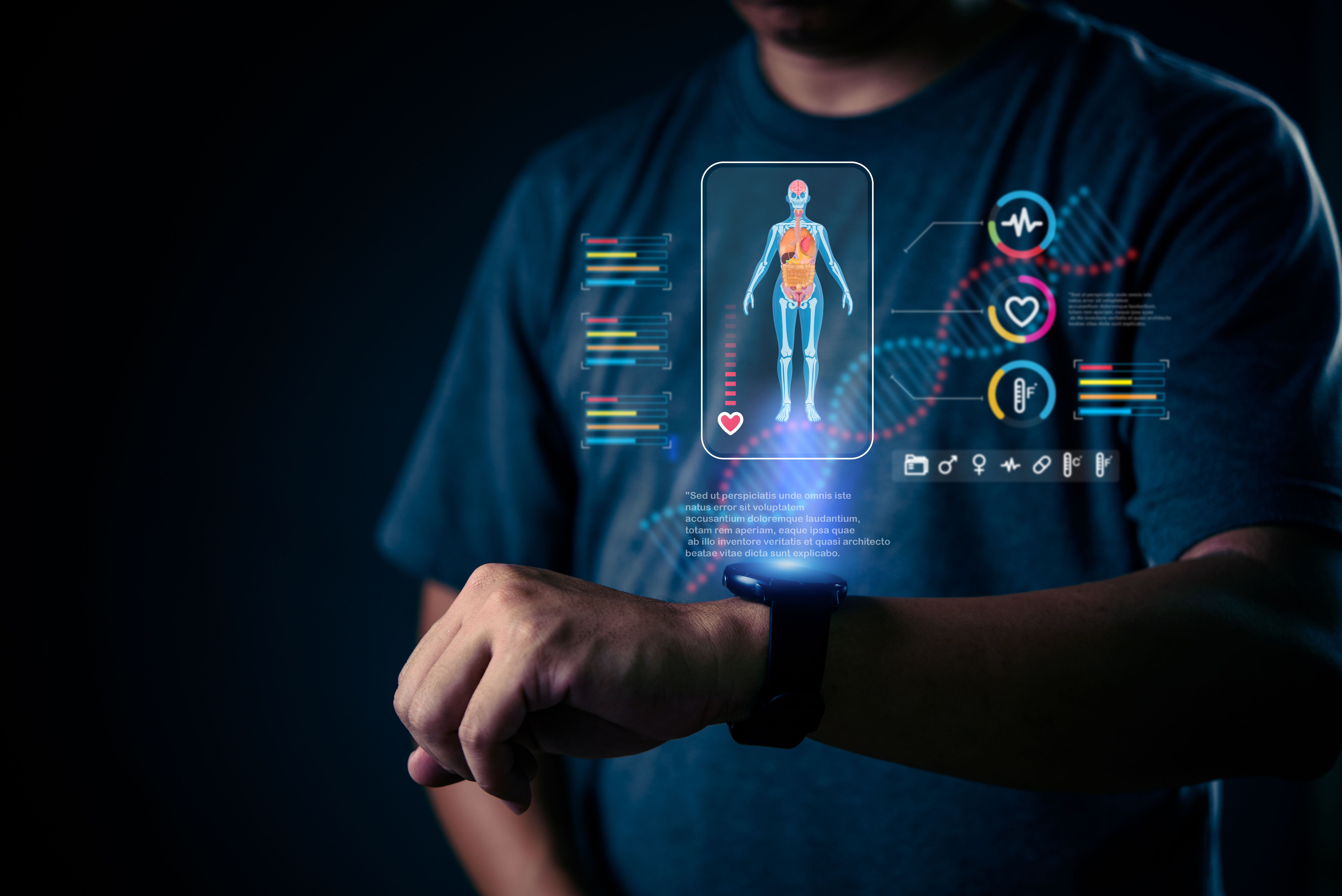
AI is also paving the way for personalized medicine, where treatment plans are tailored to an individual's genetic makeup, lifestyle, and environment. By analyzing genetic information and medical history, AI can predict how patients will respond to specific treatments, enabling more effective and targeted therapies.
According to industry experts, this approach not only enhances treatment efficacy but also reduces adverse effects. By leveraging AI, healthcare providers can move beyond the traditional one-size-fits-all model, offering personalized care that meets the unique needs of each patient.
AI-Driven Drug Discovery
Drug discovery is a complex and costly process, often taking years to bring a new drug to market. AI is set to revolutionize this field by significantly speeding up the process. Machine learning algorithms can analyze chemical compounds and predict their interactions with various diseases.
This capability allows researchers to identify potential drug candidates much faster than traditional methods. Experts believe that AI-driven drug discovery will lead to the development of new treatments for diseases that currently have limited options, ultimately saving lives and reducing healthcare costs.

Robotics and AI in Surgery
Robotics combined with AI is transforming surgical procedures. AI-powered robots assist surgeons with precision tasks, reducing the risk of errors and improving surgical outcomes. These robots can perform minimally invasive procedures, leading to quicker recovery times for patients.
Furthermore, AI in robotics is enhancing remote surgery capabilities, allowing specialists to operate on patients from different locations. This advancement is particularly beneficial in areas with limited access to medical expertise.
Challenges and Ethical Considerations
Despite the promising potential of AI in healthcare, there are challenges and ethical considerations to address. Data privacy and security are paramount, as sensitive patient information must be protected. Additionally, the reliance on AI raises questions about accountability and the potential for biases in algorithmic decision-making.
Experts emphasize the importance of developing transparent AI systems and establishing regulatory frameworks to ensure ethical use. By addressing these concerns, the healthcare industry can fully harness the benefits of AI while safeguarding patient rights and trust.
The Road Ahead
The future of AI in healthcare is bright, with numerous applications already showing significant promise. As technology continues to evolve, we can expect even more innovative solutions that improve patient care and streamline healthcare delivery.
Collaboration between AI developers, healthcare professionals, and policymakers will be crucial in realizing the full potential of AI. By working together, we can overcome challenges and ensure that AI applications benefit all stakeholders in the healthcare sector.