Demystifying AI: Frequently Asked Questions About AI Tools
Understanding AI Tools
Artificial Intelligence (AI) has become an integral part of modern technology, but many people still find it puzzling. AI tools are designed to simulate human intelligence, offering solutions across various sectors. In this post, we'll address some frequently asked questions to help demystify AI.

What Are AI Tools?
AI tools are software applications that use algorithms and computational techniques to perform tasks traditionally requiring human intelligence. These tools can analyze data, recognize patterns, and make decisions. From virtual assistants to advanced data analytics, AI tools are transforming industries.
Some popular examples of AI tools include chatbots, predictive analytics software, and machine learning platforms. They are used in fields like healthcare, finance, and customer service to enhance efficiency and accuracy.
Common Concerns About AI
Is AI Safe?
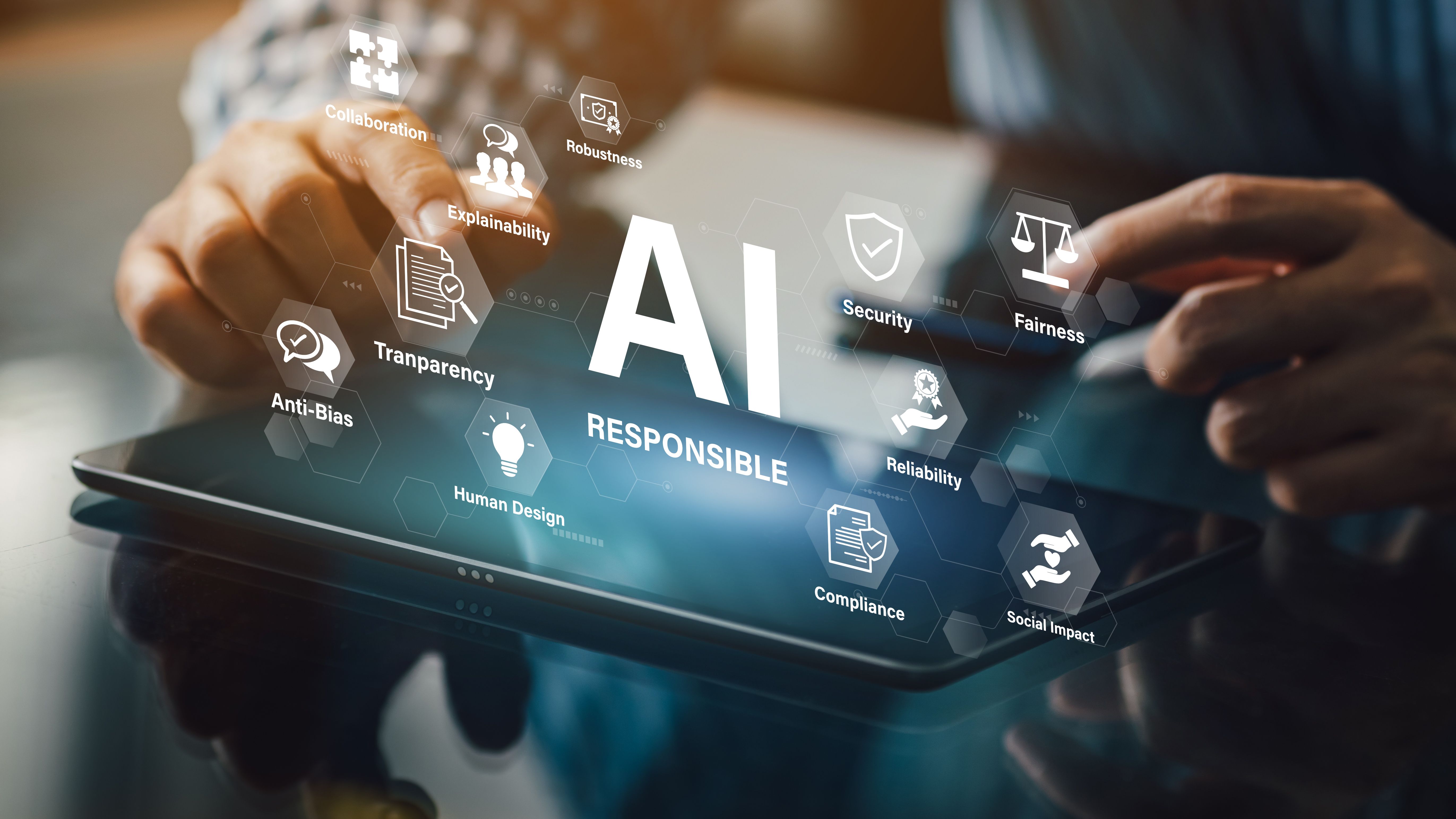
One of the primary concerns about AI is safety. Many worry about AI making autonomous decisions without human oversight. However, most AI tools are designed with safety protocols and require human input for critical decisions. Ensuring AI safety involves robust programming and continuous monitoring.
Will AI Replace Human Jobs?
AI is often feared as a job replacement threat, but it's more accurate to say it transforms jobs. While AI can automate repetitive tasks, it also creates new opportunities in tech development, maintenance, and oversight. Many industries are evolving, with AI complementing human skills rather than replacing them.
How to Choose the Right AI Tool
What Should I Consider?
When selecting an AI tool, consider your specific needs. Evaluate the tool's capabilities, integration options, and ease of use. It's also crucial to consider the support and training provided by the vendor to ensure you can maximize the tool's potential.

Moreover, assess the tool's scalability and whether it can grow with your business. A good AI tool should provide flexibility and adapt to changing requirements over time.
The Future of AI Tools
What Can We Expect?
The future of AI tools looks promising, with advancements in natural language processing and machine learning leading the way. We can expect more personalized and intuitive AI applications that enhance user experience. As AI technology progresses, ethical considerations and regulations will play vital roles in its development.
In summary, AI tools are powerful assets when used correctly. By understanding their capabilities and limitations, businesses and individuals can harness AI's potential to drive innovation and efficiency.