Comparing AI Tools: How to Choose the Right One for Your Needs
Understanding Your AI Needs
As artificial intelligence becomes an integral part of business operations, choosing the right AI tool can significantly impact your efficiency and innovation. To begin, it's crucial to define your specific needs. Are you looking for AI to enhance customer service, streamline operations, or improve data analysis? Understanding your goals will help narrow down the options.
Consider the scale and scope of your business. A small startup might require different AI capabilities compared to a large corporation. Additionally, assess your team's technical expertise. Some AI tools are user-friendly and require minimal technical skills, while others offer more complex features that may necessitate advanced knowledge.

Exploring AI Categories
AI tools can be broadly categorized into several types. Natural Language Processing (NLP) tools are designed for tasks involving language understanding and generation, making them ideal for chatbots and content creation. On the other hand, Machine Learning (ML) platforms focus on analyzing data to predict outcomes and trends, which can be valuable for market analysis and customer insights.
For businesses focused on automation, Robotic Process Automation (RPA) tools can automate repetitive tasks, enhancing efficiency in processes like data entry and order processing. Understanding these categories will help you match the right tool to your specific requirements.
Evaluating Features and Capabilities
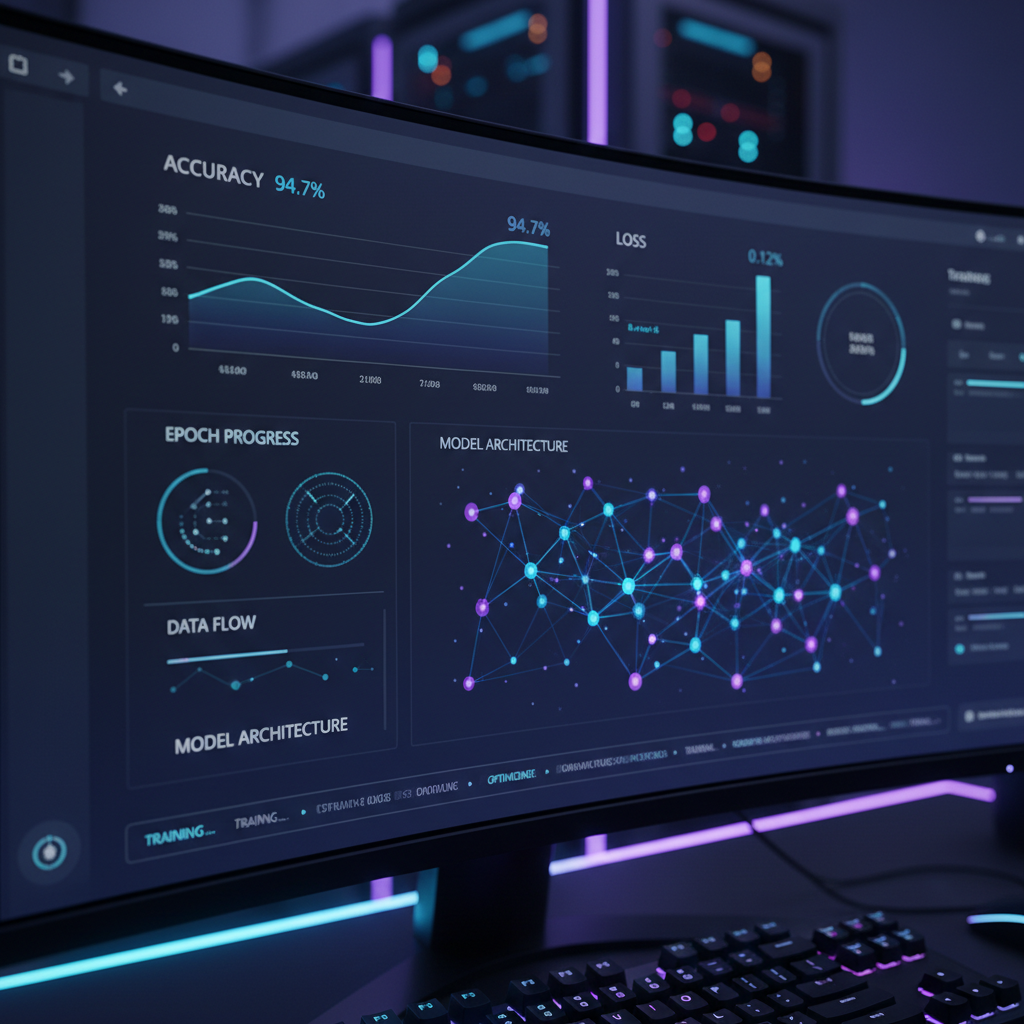
Once you've identified the category of AI tool that suits your needs, it's time to delve into specific features. Look for tools that offer customizable solutions, allowing you to tailor them to your unique processes. Additionally, consider the tool's scalability; it should be able to grow alongside your business.
Integration capabilities are also essential. The AI tool you choose should seamlessly integrate with your existing systems and software, reducing potential disruptions during implementation. Furthermore, pay attention to the level of support and training provided by the vendor to ensure a smooth transition.

Comparing Cost and ROI
Cost is a significant factor when choosing an AI tool. While some tools may have a higher upfront cost, they could offer a better return on investment (ROI) in the long run through increased efficiency and productivity. It's important to balance the cost with the potential benefits.
Additionally, consider any hidden costs, such as those for additional features, support, or future upgrades. Evaluating the total cost of ownership will help you make a more informed decision.
Reading Reviews and Case Studies
Before making a final decision, read reviews and case studies to understand how the AI tool has performed for other businesses. Reviews can provide insights into the tool's strengths and weaknesses, while case studies can illustrate real-world applications and outcomes.
Look for testimonials from businesses similar to yours to gauge how well the tool might work for your specific industry or use case. This research can provide valuable perspectives and help validate your choice.

Testing and Trial Periods
Many AI tools offer trial periods or demo versions. Take advantage of these opportunities to test the functionality and usability of the tool in your business environment. During testing, involve team members who will be using the tool daily to gather their feedback and insights.
This hands-on experience can highlight any potential issues and confirm whether the tool meets your expectations and requirements before making a financial commitment.
Making the Final Decision
After thorough evaluation, it's time to make your choice. Compile all the information you've gathered, from defined needs and feature comparisons to cost analysis and user feedback. Weigh the pros and cons, and consider the long-term benefits of your selected AI tool.
Remember, the right AI tool should align with your business goals, enhance productivity, and offer a clear path to growth. By following these steps, you can confidently choose an AI tool that will drive success and innovation in your organization.